

Weeks 1 to 3 of Pregnancy
The magical start to your pregnancy
From calculating the due date to the implantation of the egg
Congratulations ❤️
The first three weeks of pregnancy are a very special time. From a purely biological perspective, you are not yet pregnant during the first two weeks. However, your body is already laying the foundations for this important journey. We will guide you step by step through this early stage.
What happens in weeks 1 to 3 of pregnancy?
It may seem a little confusing: your pregnancy officially begins on the first day of your last period. This means that during weeks 1 and 2 of pregnancy, your body is preparing. The lining of the womb rebuilds and an egg matures.
In the third week of pregnancy, ovulation usually takes place around the 14th day of your cycle. If a sperm cell meets the egg at this time, fertilisation occurs. The fertilised cell then begins its journey through the fallopian tube towards the womb. This process takes place quietly within your body.
Calculating pregnancy: Why does the count start so early?
Many women are surprised when their gynaecologist refers to the third week, even though conception seems to have just occurred. As it is rarely possible to determine the exact moment of conception, doctors use the first day of your last period as the starting point. This approach ensures consistent calculations worldwide. In effect, the first two weeks are included as a preparatory phase.
Early signs: How can I tell if implantation has taken place in the third week of pregnancy?
In the third week of pregnancy, the fertilised egg is still very small, but some women notice subtle changes. You may feel a slight pulling sensation in the lower abdomen, often referred to as ovulation pain or later as implantation discomfort. Your breasts may also feel more sensitive.
It is equally normal not to notice any changes at this stage, as your body is working in the background.
Tips for a healthy lifestyle when trying for a baby
This is a good time to slow down slightly in your daily routine. Your body requires energy for cell division and implantation. Aim for a balanced diet and consider starting folic acid supplementation to support early development.
Some women find it reassuring to choose more natural products during this phase. When selecting personal care items or early baby essentials, look for products that are free from harmful substances so you can feel comfortable and supported.
Frequently asked questions about the start of pregnancy
When can a pregnancy test be relied upon in early pregnancy?
Although it is natural to feel curious, a standard urine test is usually only reliable once your period is late, typically around the fourth or fifth week of pregnancy. Early tests may sometimes detect pregnancy a few days before your expected period, but results can be less accurate because the hormone hCG may still be present in low concentrations during the third week.
Waiting a little longer can provide a clearer and more reliable result.
What is the difference between fertilisation and implantation?
Fertilisation occurs when a sperm cell and an egg cell combine, usually in the fallopian tube shortly after ovulation. The fertilised egg then travels towards the womb over five to seven days, dividing as it moves. Pregnancy is considered established once the egg implants in the lining of the womb, as this is when hormonal changes begin. This process is usually completed by the end of the third week.
Which vitamins and nutrients are particularly important at this stage?
Folic acid is especially important, as it helps prevent neural tube defects and should ideally be present before conception. Iodine, iron and omega-3 fatty acids also support cell development. A diet rich in fresh vegetables and wholegrain products is beneficial at this stage. It is advisable to avoid alcohol and nicotine to support implantation.
How can I tell the difference between implantation bleeding and my period?
Implantation bleeding typically occurs seven to ten days after fertilisation and is usually lighter than a normal period. It may appear light red or brown and often lasts only a few hours up to two days. Unlike a period, it does not become heavier and tends to stop quickly. Many women do not notice it at all. If you are unsure, wait a few days and take a test if your period does not begin.
When is the best time to book your first appointment with your gynaecologist?
In the third week of pregnancy, an ultrasound scan will usually show only the uterine lining and not yet an embryo. The first appointment is often scheduled between the seventh and eighth week, when a heartbeat may be visible. If you have any pre-existing conditions or are taking medication, it is advisable to seek medical advice earlier. Otherwise, you can wait and prepare for the coming weeks.
Related products
-
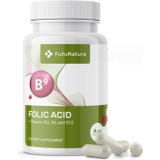
FutuNatura Folic Acid, 30 capsules
- Vitamin B2, B6 & B12 proportions
- Gelatin capsule
- For daily consumption
-

Duchesse Digital Pregnancy Test
- Easy to use
- With acoustic signal
- Results in 3 minutes
-

ATTITUDE Super Leaves Nourishing Lotion, 473 ml
- Ideal for demanding skin
- Promotes elasticity
- Rich in antioxidants
-
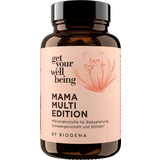
get your wellbeing by BIOGENA Mum Multi Edition, 60 capsules
- With activated folic acid & bioavailable iron
- Vegan
- Activated micronutrients for best bioavailability
Magazine Articles:
-
Ireland: Free standard delivery from € 87,90
-
Free
returns Secure payments
with SSL encryption technology