

Healthy Eating during Pregnancy
Tips on how to ensure you and your baby have a balanced diet
Why a balanced diet is important at this stage
Your body is working hard. Hormones, your baby’s growth, and changes in your metabolism increase your need for vitamins, minerals and energy.
Important nutrients include:
- Folic acid: supports the development of your baby’s neural tube.
- Iron: helps prevent tiredness and anaemia.
- Iodine: important for your thyroid function and that of your baby.
- Calcium and vitamin D: support strong bones and teeth.
Even small changes to your diet can have a positive effect on your wellbeing and your baby’s development.
Foods to prioritise
- Fresh fruit and vegetables provide vitamins, minerals and fibre.
- Wholemeal products provide complex carbohydrates and energy.
- Lean meat, fish that is fully cooked, and pulses are good sources of protein, which supports your baby’s growth.
- Dairy products provide calcium for bones and teeth.
- Nuts and seeds contain healthy fats and proteins.
Many expectant mothers find it helpful to eat small meals and snacks throughout the day. This can help reduce nausea and maintain stable blood sugar levels.
Foods to avoid
- Raw or undercooked animal products such as sushi, raw milk or raw eggs, due to the risk of infection.
- Fish with high mercury levels, such as swordfish or shark.
- Alcohol, which can affect your baby’s development and lead to foetal alcohol spectrum disorder (FASD).
- Excess caffeine. A maximum of 200 mg per day is recommended, which is approximately one to two cups of coffee.
- Unwashed salad or vegetables, as these may be contaminated with bacteria such as Listeria, Salmonella or E. coli.
Ensure that food is prepared safely and that hands are washed regularly to reduce the risk of infection.
Practical tips for everyday life
Plan your meals in advance so that healthy options are always available. The same applies to snacks. For example, prepare nuts, fruit or vegetable sticks so that you can respond to sudden hunger and maintain stable blood sugar levels.
Vary your diet to ensure you receive all essential nutrients and aim to keep meals balanced.
You may feel the need to urinate more frequently, but it remains important to drink 1.5 to 2 litres of water each day.
Dietary supplements may be taken if recommended by your doctor. Vitamin D and folic acid are commonly used during pregnancy.
Frequently asked questions about nutrition during pregnancy
Do I need to eat for two during pregnancy?
No. Your energy requirements increase only slightly, by around 200 to 300 kcal per day in the second and third trimesters. The focus should be on choosing nutrient-rich foods rather than increasing portion size.
Which foods help with nausea?
Dry foods such as rusks, bananas or ginger tea may help. Eating small meals throughout the day and avoiding fatty or strongly spiced foods can also be beneficial. Fresh air and eating slowly may provide additional relief.
Is it safe to have snacks during pregnancy?
Yes, provided the snacks are healthy and sugar and highly processed foods are limited. Fruit, nuts and wholemeal bars without added sugar are good options. They provide energy and important nutrients.
How can I meet my iron requirements?
Iron-rich foods such as lean meat, pulses, whole grains and green leafy vegetables can help meet your needs. Vitamin C supports the absorption of plant-based iron, for example by drinking a glass of orange juice with a meal.
Should I take dietary supplements during pregnancy?
Folic acid is widely recommended to help prevent neural tube defects. Vitamin D, iron or iodine may also be appropriate if advised by your doctor. Always consult your midwife or doctor before taking supplements.
Related products
-

Medex Iron, Vitamin C + Folic Acid Syrup, 150 ml
- Tasty syrup
- Ideal for athletes and children
- With 74% honey
-
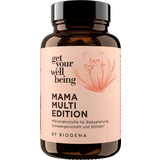
get your wellbeing by BIOGENA Mum Multi Edition, 60 capsules
- With activated folic acid & bioavailable iron
- Vegan
- Activated micronutrients for best bioavailability
-
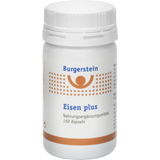
Burgerstein Iron Plus, 150 capsules
- Made with organic iron
- Contains copper and vitamin C
-
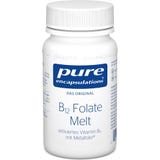
Pure Encapsulations® B12 Folate Melt, 90 lozenges
- Activated vitamin B12 with Metafolin®
- B12 as methylcobalamin
- Folic acid as calcium L-methylfolate from Metafolin®
Magazine Articles:
-
Ireland: Free standard delivery from € 87,90
-
Free
returns Secure payments
with SSL encryption technology