
Breastfeeding Accessories
Your guide to breast pumps & safe storage
The breast pump: your ally for greater flexibility
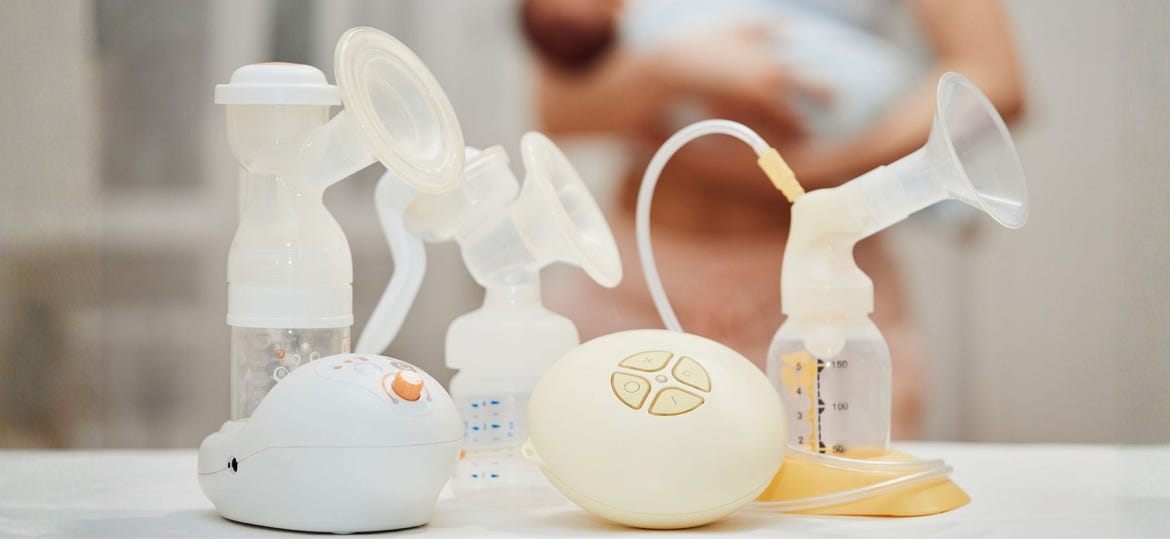
There are many reasons why a breast pump can be helpful. You might want to stimulate milk flow, relieve engorgement or build up a milk supply. In most cases, you can choose between two types:
- Manual breast pumps: These are lightweight, quiet and ideal if you only pump occasionally or when you are out and about. You control the pace yourself and do not need a power source.
- Electric breast pumps: If you pump regularly, an electric pump can make things much easier. Many models are now available in hands-free versions that sit discreetly in your bra while keeping your hands free. If you plan to express milk daily, a double breast pump is a good choice as it saves time and lets you express from both breasts at once.
A little tip from the heart: Pumping takes a bit of practice. Your body needs time to adjust to the idea that the pump is replacing your baby. Try to make yourself comfortable, take a deep breath and perhaps look at a photo of your baby. This can help trigger the let-down reflex.
Storing breast milk correctly: safely and hygienically
Once you have expressed milk, you will want to store it in the best possible way. Here are a few simple things to keep in mind:
1) The containers: Use special breast milk bags, which are also suitable for freezing, or BPA-free bottles. They are hygienically sealed and designed specifically for breast milk.
2) Labelling: It is worth noting the date and quantity on each container so you always know what you have in your fridge or freezer.
3) Storage: Breast milk is surprisingly stable. In the fridge, stored at the back where it is coldest, it keeps for around 3 to 4 days. If frozen, it can be stored for up to 6 months.
Expert tip from Antoinette: Try to use the milk that was expressed first. Your breast milk changes its composition almost daily to match your baby’s needs. Milk for a two week old newborn contains different nutrients from milk for a six month old baby.
| Accessories | Why it is helpful |
| Breast pump | For gently expressing breast milk. |
| Storage bags | For space saving freezing and easy portioning. |
| Breast pads | To protect your clothes between pumping sessions. |
| Bottle warmer | For gentle warming so that vitamins are preserved. |
Small aids, big impact
The right equipment can take a lot of pressure off you. When choosing a breast pump, look for soft silicone flanges that adapt gently to your breast. For storage, many parents prefer reusable silicone bags as they are safe.
Do not forget to look after yourself. A comfortable nursing pillow can give you good support while you are expressing and help keep your neck relaxed. Some families also like to use cooling pads to soothe the breasts after expressing.
Frequently asked questions about breast pumps and storage
Which is better: a manual or an electric pump?
It really depends on how often you plan to use it. A manual pump is great if you only want to express a small amount now and then or keep one in your bag just in case. It is affordable and easy to use. If you are planning to pump daily, for example when returning to work, an electric pump can save you time and effort. Many modern models mimic a baby’s natural suckling pattern, which can make pumping more comfortable.
What is the best way to warm stored breast milk?
Breast milk contains valuable vitamins and antibodies, so it should not be heated in the microwave or in boiling water as this can damage its nutrients. The best way is to warm it gently in a water bath or with a bottle warmer to a maximum of 37 degrees. Then gently swirl the bottle to mix the fat that may have separated.
Can I add freshly expressed milk to milk that is already cold?
It is best not to add warm, freshly expressed milk directly to chilled milk, as this can raise the temperature and encourage bacteria to grow. Instead, let the fresh milk cool separately in the fridge. Once both portions are at the same temperature, you can safely combine them.
How can I tell if frozen milk is still good?
After thawing, breast milk may look a little different. It can separate into layers or appear slightly bluish, which is completely normal. Give it a quick smell. If it smells sour or unpleasant, it is best to discard it. Once thawed, milk should not be refrozen. Use it within 24 hours if kept in the fridge, or within 1 to 2 hours once warmed.
My baby will not take a bottle of expressed milk. What can I do?
This is very common. Your baby may simply prefer feeding directly from you. It can help if another caregiver offers the bottle while you are not in the room. You can also try different teat shapes that are designed to resemble the breast. Sometimes warming the teat slightly can help too. Give it time, as it is a learning process for both of you.
Why should you label milk bags with the date?
Labelling helps you keep track of how long the milk has been stored and ensures you use it in the right order. As your breast milk adapts to your baby’s age and needs, using the oldest milk first helps keep everything as fresh and suitable as possible.
Latest reviews
-
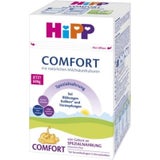
HiPP Infant Formula Based on Cow's Milk - COMFORT Special Formula, 600 g
- Suitable from birth
- Reduced lactose content
- Low in allergens and rich in nutrients
-

-
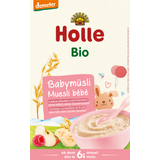
Holle Organic Demeter Whole Grain Baby Muesli, 250 g
- From the 6th month onwards
- Carefully selected grains
- Very fine organic whole grain flakes
-
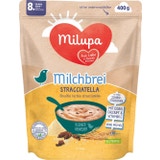
Milupa Baby Cereal with Milk, Straciatella - Little Gourmet, 400 g
- Age: 8 months & up
- With chocolate chips
- Practical resealable bag
Magazine Articles:
-
Ireland: Free standard delivery from € 87,90
-
Free
returns Secure payments
with SSL encryption technology