
Milk Teeth & Teething
Symptoms, fever and what really helps your baby right now
Some babies often wake up crying at night, others have constantly red cheeks, whilst some seem to cope with teething almost effortlessly. In this article, we’ll explain how to tell if your baby is teething, dispel the persistent ‘teething fever’ myth and show you what really does provide relief.
🦷 The essentials of teething
- Typical signs: Heavy drooling, constantly chewing on their fingers, red and often hot cheeks, and extremely restless sleep.
- The fever myth: Teething does not cause a high fever. A slightly elevated temperature can occur, but a high fever is usually caused by an infection, which babies may catch more easily during this challenging phase.
- Immediate relief: Pressure and cold can help soothe your baby. Teething rings, ideally slightly chilled, teething gel, or a gentle gum massage can provide relief.
- The start: For most babies, the first teeth, usually the lower incisors, come through between 6 and 8 months of age.
How to tell if your baby is teething
Even before you spot a tiny white tip in the gum, signs of teething can appear weeks beforehand. The teeth ‘push’ their way through the gums, which can cause considerable pressure.
Look out for these typical signs:
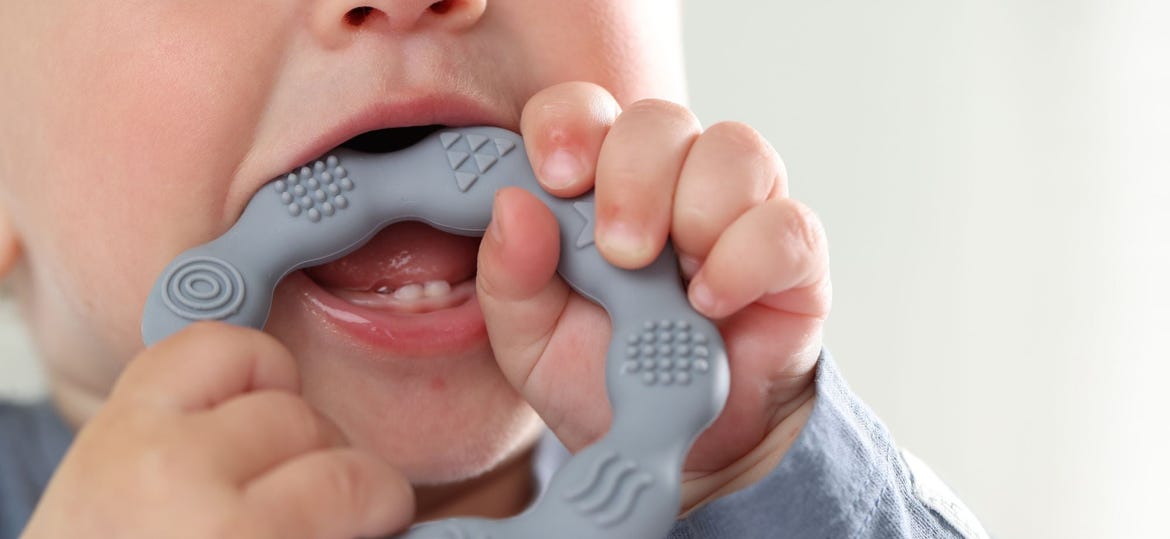
- The urge to bite: Your baby may put their little fists, toys or even your shoulder into their mouth and bite down hard. This counter pressure on the gums can help relieve discomfort.
- A waterfall of drool: Saliva production goes into overdrive. Babies who are teething may drool so heavily that their bibs need changing every hour.
- Red cheeks and a red nappy area: One or both cheeks may become bright red and hot. A sore nappy area can also occur during teething.
- Tearfulness: The days can be exhausting and the nights restless. Your baby may need extra closeness and comfort during this time.
The myth of ‘teething fever’
“The baby’s got a fever, they must be teething.” You may hear this from Granny or at the playground. But is it true?
The eruption of a tooth is a minor inflammatory process in the gums. A slight rise in body temperature may occur around the time of teething.
However, a high fever is not considered a normal symptom of teething. Babies at teething age also tend to put lots of objects in their mouths and may be exposed to infections such as colds or gastrointestinal viruses, which can cause a fever.
💡 If your baby has a high fever or seems unwell, contact your paediatrician rather than assuming that teething is the cause.
🛍️ Gentle aids for the challenging teething period
If your baby’s gums feel tight and sore, you’ll find tried and tested products in our shop that can help make teething easier for your baby:
Teething rings: Here you’ll find a wide selection of teething rings made from materials such as silicone, which your baby can safely chew on.
Triangular bibs: Don’t forget the drool bibs. Our bibs catch excess drool and help keep your baby’s chest and neck dry.
Nappy rash cream: A suitable nappy rash cream can help protect and soothe your baby’s skin if their bottom becomes sore. A gentle silicone finger sleeve for massaging the gums can also be a useful addition to your baby care essentials.
Immediate relief for teething
If your baby is crying in discomfort, you naturally want to help straight away.
Here are some simple ways to soothe sore gums:
- Counter pressure and cold: Teething rings with a textured surface can be helpful at this stage. Place them in the fridge for a short time before use, but not in the freezer, as very cold objects can damage delicate tissue. The cool surface can help soothe sore gums.
- Gentle gum massage: Use a soft silicone finger sleeve designed for early dental care, or wash your hands thoroughly. Gently massage the swollen area of the gums with your finger, applying light pressure.
- Teething gels: Special teething gels are available from pharmacies. Ask your pharmacist or paediatrician which products are suitable for your baby and follow the instructions carefully.
- The flannel trick: A simple, clean cotton flannel dipped in cool water can give your baby something soft and cool to chew on.
- Pain relief: If your baby is clearly in distress, speak to your paediatrician or pharmacist about age-appropriate pain relief, such as paracetamol or ibuprofen, and follow the recommended dosage carefully.
Frequently asked questions about first teeth
Are amber necklaces really dangerous?
Many healthcare professionals advise against using amber necklaces for babies. There is no reliable scientific evidence that amber relieves teething pain. Necklaces can also pose a strangulation or choking risk if they become caught or break and release small beads. It is safer to opt for a suitable teething ring.
When should we start brushing their teeth?
The rule is simple: start from the very first tooth. As soon as that little white tip breaks through, clean it with a soft baby toothbrush and an age-appropriate fluoride toothpaste. Follow local dental guidance on the appropriate amount of toothpaste for your baby. Starting early helps prevent tooth decay and gets your baby used to regular brushing.
In what order do the teeth come through?
In most cases, the two central incisors in the lower jaw appear first, followed by the two upper central incisors. The other teeth then gradually emerge, although the exact order can vary from child to child. The full set of 20 milk teeth is usually complete by around 2.5 to 3 years of age.
Related products
-
Jack N' Jill Silicone Finger Toothbrush (Stage 1), 2 pieces
- 2-Pack
- Safe & hygienic cleaning
- Easy to use
-
HABA Star Clutching Toy
- Cute design
- With different textures
- Recommended age: 6 months & up
-
Jack N' Jill Teething Gel, 15 g
- Contains chamomile & calendula
- Suitable from 4 months
- Vegan
-
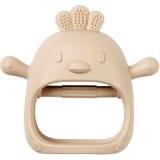
Nattou Silicone Teething Mitten Clay
- Dimensions: 11.5 × 5 × 10.5 cm
- Easy to grip
- Pleasant texture
Magazine Articles:
-
Ireland: Free standard delivery from € 87,90
-
Free
returns Secure payments
with SSL encryption technology